

Pros of Using Canva
User-Friendly and Accessible
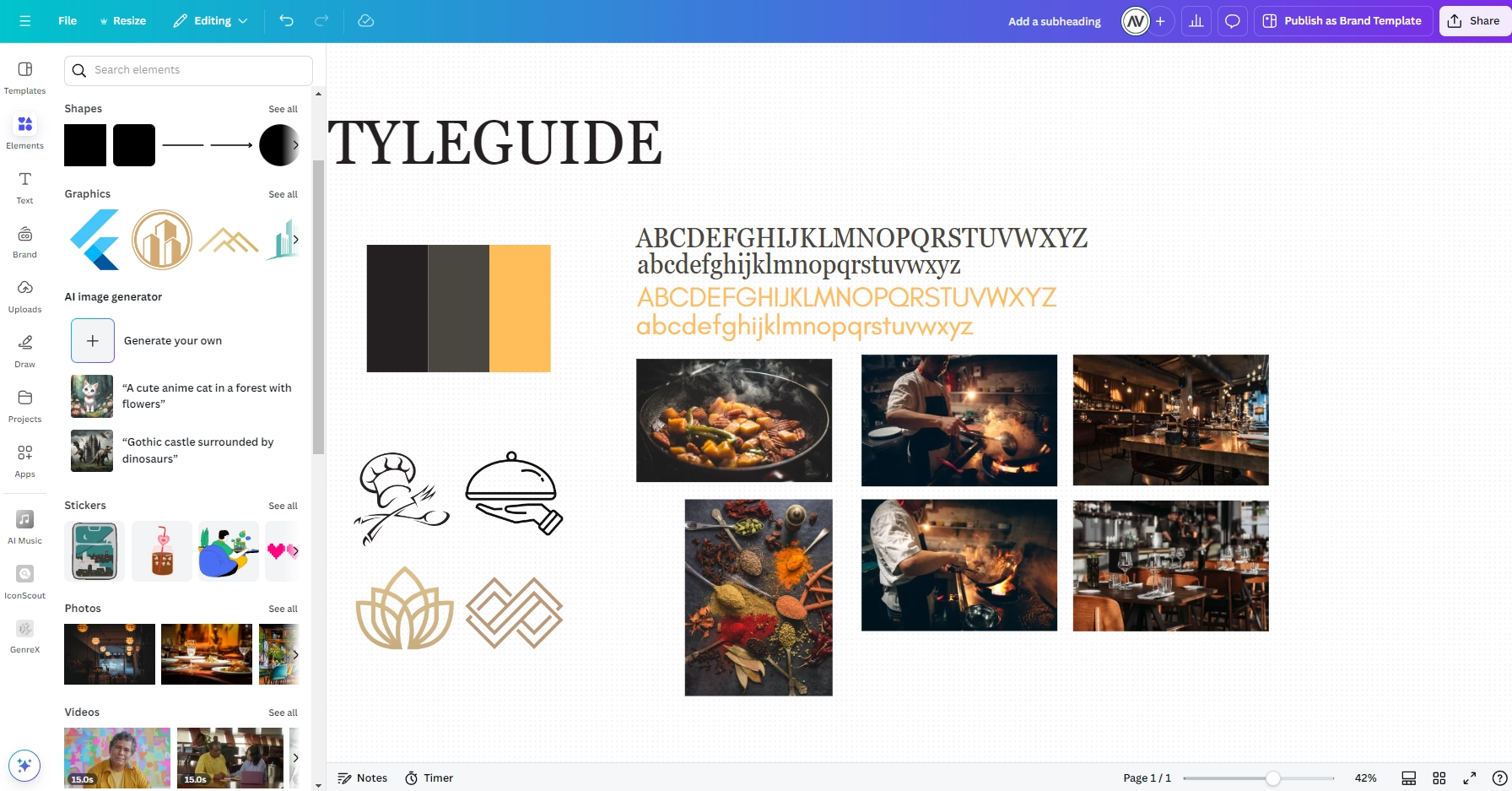
Pro: Canva’s intuitive drag-and-drop interface is perfect for anyone, regardless of design experience. Its easy-to-use tools allow users to create professional-looking designs quickly, without the need for extensive design knowledge.
Benefit: Beginners can get started immediately, while experienced designers can save time on smaller projects by using Canva’s built-in templates and tools.
Huge Selection of Templates
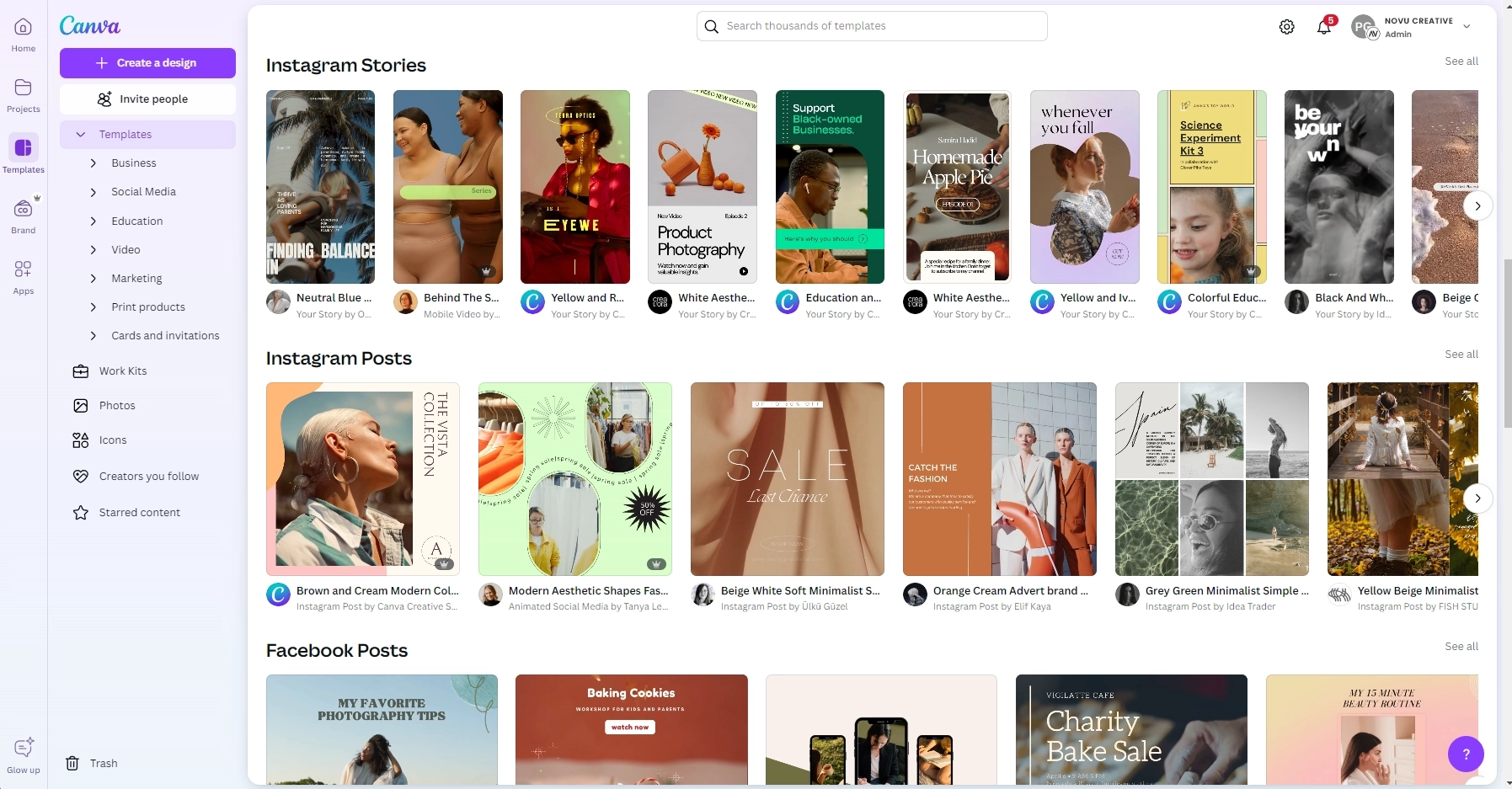
Pro: Canva offers thousands of pre-designed templates for social media, presentations, posters, logos, and more. These templates are easy to customise to suit your business or personal needs.
Benefit: Whether you’re designing for Instagram, a flyer, or an email banner, Canva’s extensive library provides a time-saving starting point, making it easy to create visually stunning designs.
Built for Print-Ready Designs
Pro: Canva is equipped with features that allow you to create high-resolution, print-ready designs. You can easily export your work as PDFs with high-quality settings suitable for professional printing.
Benefit: Whether you need to print flyers, business cards, posters, or brochures, Canva offers pre-set options for print sizes and exports in CMYK, ensuring your designs are ready for high-quality printing.
Cost-Effective
Pro: Canva offers a free version with plenty of functionality, while Canva Pro provides more advanced features at an affordable price.
Benefit: Small businesses and individuals can produce professional designs without the hefty costs associated with high-end design software, making Canva a cost-effective solution.
Collaboration Features
Pro: Canva allows for team collaboration, where multiple users can work on designs simultaneously, leave feedback, and make real-time edits.
Benefit: This is ideal for remote teams or businesses that require input from multiple people, streamlining the design process and improving efficiency.
Brand Kit for Consistent Branding
Pro: Canva Pro’s Brand Kit feature lets businesses save their brand’s fonts, logos, and colours for easy access when creating new designs.
Benefit: This ensures brand consistency across all materials, from social media posts to business cards, saving time and maintaining a professional appearance.
No Installation Required
Pro: Canva is a cloud-based platform, so no installation is necessary. You can access and work on your designs from any device with an internet connection.
Benefit: This makes it easy to work on projects anywhere, whether from a desktop, tablet, or phone.
Cons of Using Canva
Requires Basic Design Skills
Con: While Canva simplifies the design process, creating a polished, professional result still requires an understanding of design principles such as layout, colour theory, and typography.
Drawback: Users without basic design skills may still struggle to create cohesive and aesthetically pleasing designs, even with Canva’s templates. Knowing how to customise elements effectively is key to standing out.
Limited Advanced Customisation
Con: Canva offers limited customisation options compared to more advanced design tools like Adobe Illustrator or Photoshop. It’s not ideal for creating complex vector graphics or highly detailed design work.
Drawback: If your project requires intricate customisations or precision, you may find Canva restrictive. For example, advanced text manipulation, in-depth image editing, or custom shapes may not be as flexible as in other design software.
Designs Can Look Generic
Con: Since Canva’s templates are widely used, many designs can end up looking similar, especially if they are not heavily customised.
Drawback: If you rely too heavily on Canva’s pre-made templates without making significant custom changes, your designs may lack originality and could appear generic, reducing their impact.
Limited Typography Options
Con: While Canva offers a range of fonts, it lacks the more advanced typographic features found in professional design software, such as kerning, leading, and custom font uploads for free users.
Drawback: Users looking for more control over typography or needing to create designs that require detailed text adjustments may find Canva limiting.
Internet Connection Required
Con: Canva is entirely cloud-based, which means you need an internet connection to create or access your designs. There is no offline version of the tool.
Drawback: This could be an inconvenience for users who need to work in environments with limited or no internet access, as you won’t be able to edit your designs offline.
Ownership and Licensing Limitations
Con: Although Canva provides access to millions of stock images, graphics, and fonts, there are specific usage and licensing restrictions for certain elements, especially for commercial use.
Drawback: You need to review licensing agreements carefully, especially when using premium content, to ensure you’re compliant with Canva’s terms, which could add complexity for commercial projects.

Need help elevating your Canva designs or creating something more advanced?
Contact Novu Creative today, and let’s bring your vision to life with expert design solutions.