

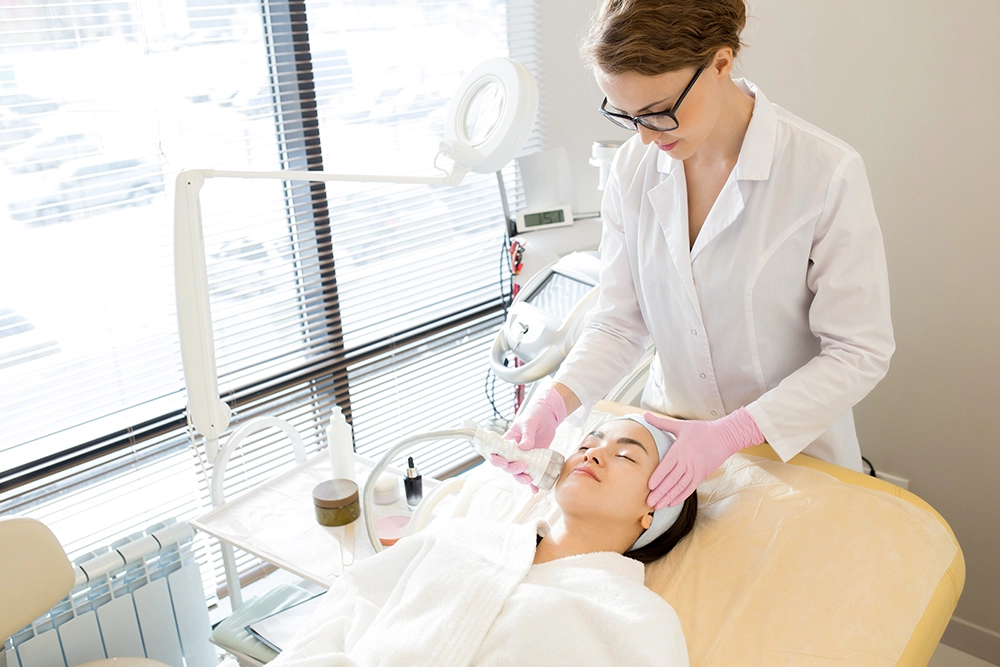
Advertising a cosmetic clinic in Australia is now one of the most heavily regulated marketing environments in the country. Since 2 September 2025, new AHPRA guidelines for advertising higher-risk non-surgical cosmetic procedures have been in force, sitting alongside the TGA’s long-standing ban on advertising prescription-only medicines. The TGA tightened that ban significantly in 2024 by closing the “anti-wrinkle injections” loophole.
If your clinic’s website or Instagram still mentions injectable product names, uses influencer testimonials, or publishes price lists for prescription-only treatments, you are exposed. TGA infringement notices have reached $13,320 per contravention for individuals and $66,600 for corporate entities, and a single non-compliant Instagram grid can contain dozens of contraventions.
This guide explains what the rules actually say, what you can and can’t publish, and how to market a clinic effectively within them.
This article is general information, not legal advice. For advice on your specific advertising, speak to a health-law specialist.
Who do the AHPRA advertising guidelines apply to?
The Guidelines for advertising higher risk non-surgical cosmetic procedures apply to anyone who advertises these procedures when performed by a registered health practitioner, not just the practitioner themselves. That includes clinic owners, practice managers, marketing agencies and social media managers.
“Higher-risk non-surgical cosmetic procedures” include, but are not limited to:
- Cosmetic injectables
- Thread lifts
- Injection lipolysis (fat-dissolving injections)
- Sclerotherapy and microsclerotherapy
- Procedures using platelet-rich plasma (PRP) or products derived from the patient’s blood
- Dental veneers
- Hair transplants
The guidelines were published on 3 June 2025 and took effect on 2 September 2025, giving the industry a three-month transition window. That window has closed. AHPRA’s CEO has publicly stated that practitioners “have been warned” and that enforcement action will follow non-compliance.
What do the 2025 AHPRA guidelines require?
The key changes for clinic advertising:
Real images only. Advertising must use genuine, unedited images. Airbrushing, filters or editing that could mislead the public about likely results is prohibited.
“Results may vary” warnings. Any advertisement that uses images (including before-and-after photos) must carry a warning that results may vary for other patients.
Testimonial ban strengthened. Testimonials about clinical aspects of a regulated health service were already banned under section 133 of the National Law. The 2025 guidelines strengthen this, with an explicit ban on using testimonials from social media influencers.
No advertising to under-18s. Advertising higher-risk cosmetic procedures aimed at people under 18 is banned. In practice, this means advertising on social media must be flagged as adult content. Patients under 18 also face a mandatory seven-day cooling-off period between first consultation and any procedure.
No trivialising or sexualising. Advertising must not present cosmetic procedures as casual, glamorous or routine. AHPRA’s own framing: “a filler is not a facial.”
No exploiting insecurity. Advertising must not imply that natural physical variation, including ageing, is abnormal or undesirable, and must not target people who may be vulnerable about their appearance.
No idealised language. Terms that create unrealistic expectations, such as “safe”, “painless”, “quick”, “gentle” and “perfect”, are flagged as potentially misleading.
Registration transparency. Practitioners must clearly state their registration type and profession (for example, “registered nurse”, not “cosmetic nurse injector” alone).
Posting frequency matters. The guidelines explicitly note that excessive posting about cosmetic procedures can contribute to body-image dissatisfaction by normalising these procedures. This is a first for Australian health advertising regulation.
What are the TGA rules on advertising injectables?
This is where most clinics get caught out, because the TGA rules are stricter than many owners realise.
Cosmetic injectables such as botulinum toxins and most dermal fillers are prescription-only (Schedule 4) medicines. Under the Therapeutic Goods Act, advertising prescription-only medicines to the public is prohibited, full stop. This has always been the law.
What changed is the TGA’s tolerance for indirect references. Historically, the TGA accepted generic phrases like “anti-wrinkle injections” as a pragmatic workaround. In its updated guidance (December 2023, with detailed guidance published in 2024), the TGA closed that loophole. The current position:
- No brand names. Botox, Dysport, Xeomin, Sculptra or any product name, in any form.
- No ingredient names. “Botulinum toxin”, “hyaluronic acid filler” and similar.
- No generic workarounds. “Anti-wrinkle injections”, “wrinkle-reducing injections”, “dermal filler” and equivalents are no longer permitted where a reasonable consumer would understand you’re promoting a prescription medicine.
- No nicknames, acronyms or hashtags. “Tox”, “filler”, “#antiwrinkle” and the like are treated the same as the full term.
- No price lists. Publishing prices for prescription-only treatments (per unit or per treatment) is considered advertising the product.
- Before-and-after photos. Permitted for the service, but not where it’s apparent the result comes from a prescription-only substance.
- Historical posts count. Because old social media posts remain accessible, your entire post history must comply, not just new content.
The TGA has backed this with enforcement, issuing multiple infringement notices to clinics and practitioners for advertising prescription-only injectables on social media.

So what can a cosmetic clinic actually advertise?
More than you might think. The rules prohibit advertising prescription products, not your clinic or your expertise. Compliant approaches include:
Advertise the consultation, not the medicine. “Book a consultation to discuss treatment options for facial ageing” is compliant. “Book your anti-wrinkle injections” is not. The TGA’s own guidance directs clinics to focus advertising on the types of consultations available.
Advertise non-prescription services freely. Skin treatments, laser (where not captured), facials, skincare ranges, LED therapy and similar services aren’t caught by the prescription-medicine ban, though AHPRA’s general advertising rules on misleading claims still apply.
Build authority through education. Genuinely balanced, factual educational content that communicates both risks and benefits is treated differently from promotion. This is where a strong content strategy becomes your primary marketing channel.
Market the practitioner and the clinic. Credentials, experience, philosophy of care, your consultation process, your facility: all compliant, and all things patients actually weigh when choosing a clinic.
Advertise to health professionals. Under section 42AA of the Act, advertising prescription-only products exclusively to health professionals is not prohibited, which is relevant if you run training or B2B activity.
What are the penalties for non-compliant advertising?
- TGA: infringement notices of up to $13,320 per contravention for individuals and $66,600 for corporate entities, with court action available for serious breaches. Each post, page or ad can be a separate contravention.
- AHPRA: breaches of section 133 of the National Law are offences, and practitioner advertising breaches can also trigger disciplinary action against the practitioner’s registration, which is a far greater commercial risk than any fine.
Quick compliance checklist for your clinic’s marketing
- Audit every page of your website for product names, ingredient names, generic injectable terms, and prices for prescription-only treatments.
- Audit your full social media history. Old posts must comply too.
- Remove or reframe testimonials that reference clinical outcomes; remove all influencer endorsements.
- Check every image: real, unedited, with “results may vary” where results are shown.
- Remove language like “safe”, “painless”, “quick” and “perfect” from procedure descriptions.
- Add clear practitioner registration details wherever practitioners are named.
- Ensure no campaign targets or appeals to under-18s, and flag social advertising as adult content where required.
- Rebuild treatment pages around consultations and concerns, not products.
Frequently asked questions
Can I say "anti-wrinkle injections" on my website?
Can I use before-and-after photos?
Yes, for the health service, provided the images are real and unedited, carry a “results may vary” warning, and don’t directly or indirectly reference a prescription-only substance.
Can patients leave Google reviews?
Do the rules apply to my marketing agency?
What about my old Instagram posts?
Marketing that works within the rules
The clinics winning in this environment aren’t the ones finding loopholes; they’re the ones building brands strong enough that they don’t need product names to attract patients. Compliant marketing built on education, credentials and brand is more durable, and it’s what regulators, Google and AI search engines all reward.
Novu Creative is a Sydney design and digital agency specialising in AHPRA- and TGA-aware branding, websites and marketing for aesthetic and cosmetic clinics. Book a call to have your current marketing reviewed.
Sources:
- AHPRA, Guidelines for advertising higher risk non-surgical cosmetic procedures (2 September 2025)
- AHPRA media release, “Putting patients first” (2 September 2025)
- TGA, “Referring to cosmetic injectables in advertising”
- TGA, Advertising health services and cosmetic injections FAQ.