
Visual content still does most of the work on social media. What has changed is the detail.
Short-form video can now run longer: YouTube Shorts and Instagram Reels both allow uploads of up to three minutes. Meta switched off branded AR filters on Instagram and Facebook in January 2025. And in Australia, age-restricted platforms have had to keep under-16s off their services since December 2025. The fundamentals haven’t moved: make visuals that suit the platform, look like your brand every time, grab attention early, and keep testing.
What’s changed in social media visual content?
1. Short-form video got longer
YouTube says that “starting on October 15, you can upload Shorts up to 3 minutes long” (YouTube, 2024). In January 2025, Instagram’s head, Adam Mosseri, announced that Reels could be uploaded at up to three minutes too (Social Media Today).
What it means for your brand
- Length is now a choice, not a limit. Make a video as long as the idea needs and no longer.
- The first few seconds still decide whether someone keeps watching. Lead with the point, the product or the problem.
- Longer formats suit how-tos, walkthroughs and behind-the-scenes content better than quick teasers.
2. Branded AR filters on Instagram and Facebook ended
Meta closed its Meta Spark platform on 14 January 2025, and third-party AR effects, including brand effects, stopped being available on its apps from that date. Meta’s own effects remain: “AR Effects owned by Meta will continue to be available to our users across our Family of Apps” (Meta Spark).
What it means for your brand
- If an old plan or brief includes a custom Instagram or Facebook filter, that option no longer exists.
- Before planning AR anywhere else, check what each platform currently supports for brands. These tools change often.
- Most brands get more from strong photography, video and design than from novelty effects.
3. Australia’s under-16 social media rules
Since 10 December 2025, age-restricted platforms “are not allowed to let under-16s create or have accounts”. eSafety’s list includes Facebook, Instagram, Kick, Reddit, Snapchat, Threads, TikTok, Twitch, X and YouTube, and notes it may change (eSafety Commissioner).
What it means for your brand
- If part of your audience used to be under 16, you can’t reach them through accounts on those platforms any more. Parents, schools, email and your website may matter more.
- Check eSafety’s current list before planning a campaign aimed at younger audiences.
4. Interactive formats still earn their place
Polls, question boxes, quizzes and swipeable carousels turn scrolling into taking part. They’re cheap to make, and they show you what your audience actually cares about, which feeds your next round of content.
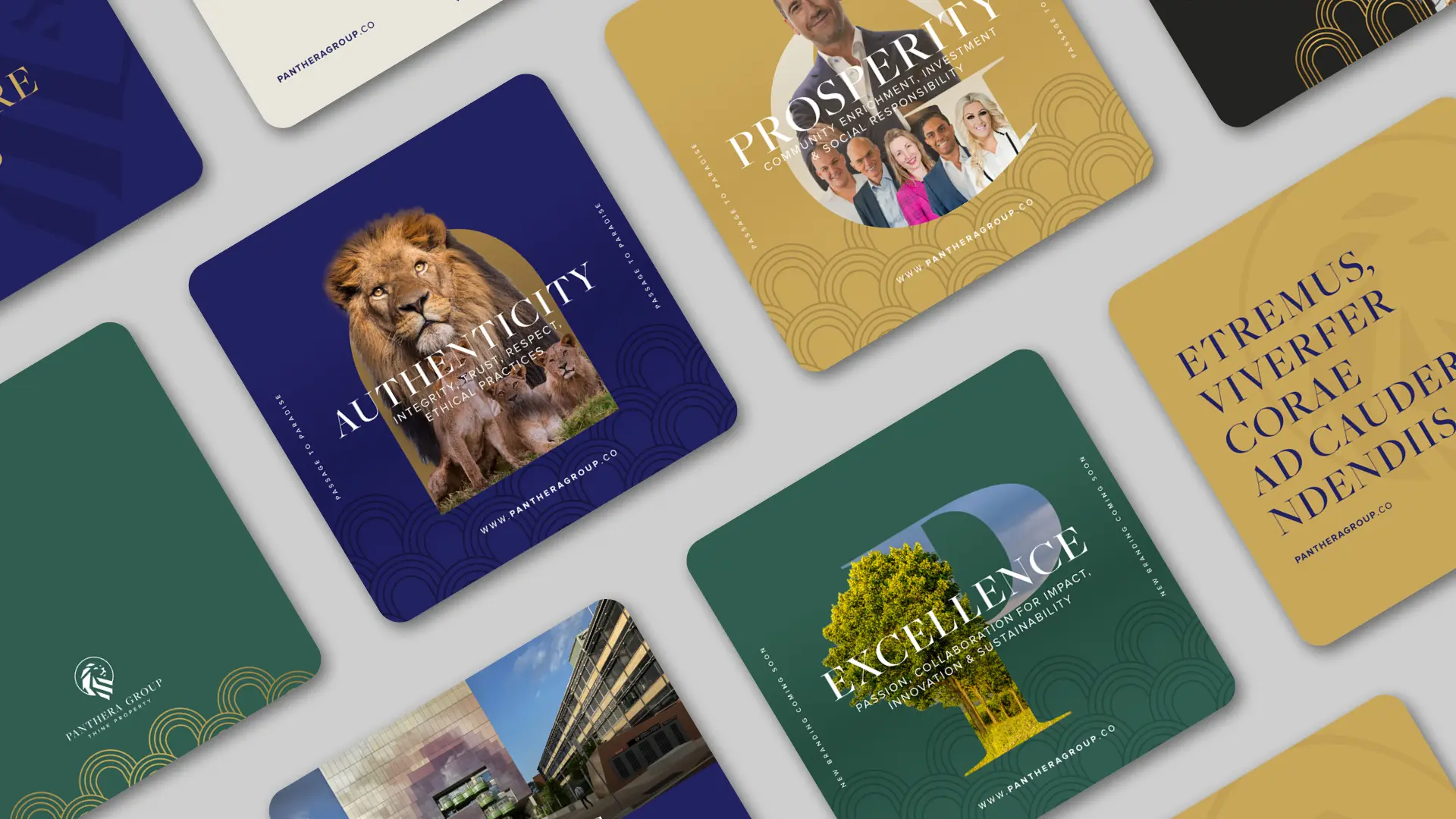
Which visual format should you use?
| Format | Good for | Design tips |
|---|---|---|
| Short-form video (Reels, Shorts, TikTok) | Reach, personality, quick tips, behind the scenes | Hook in the first seconds, add captions, shoot vertical |
| Carousels | Step-by-step tips, before-and-process stories, mini guides | One idea per slide, a strong cover slide, consistent layout |
| Single images | Announcements, products, quotes, events | One clear focal point, minimal text, brand colours |
| Stories with polls or questions | Engagement, feedback, community | Keep them quick and casual, then reply to responses |
| Infographics | Explaining something complex simply | Clear hierarchy, readable text on a phone |
| User-generated content | Trust and social proof | Ask permission, credit the creator, keep your brand frame around it |
What still works: the fundamentals
- Know each platform’s strengths. Instagram suits a mix of polished images and Reels. TikTok tends to favour casual, relatable video. LinkedIn suits clear, professional visuals and carousels. Adapt each piece rather than posting the exact same file everywhere.
- Balance quality and authenticity. Visuals should be clear, sharp and on brand, but overproduced content can feel distant. Phone-shot video with good lighting and a clear message often works well alongside more polished design.
- Stay consistent. Use the same colours, fonts, logo placement and tone across every format so people recognise you before they read your name. Templates help your team move quickly without drifting off brand.
- Design for the sound off. Plenty of people scroll with the sound off. Add captions to video and keep key messages in the visual itself.
- Make it accessible. Use good colour contrast and readable text sizes, and add alt text to images where the platform allows it.
- Test, measure, repeat. Try different formats, look at what your audience saves, shares and comments on, and do more of what works.
- Encourage user-generated content. Content from customers builds trust and keeps your feed fresh. Always ask permission before reposting, and credit the creator.
Visual content checklist
Before you post
- Each post designed for its platform and format (vertical video, carousel or image)
- Hook or key message in the first few seconds or on the first slide
- Captions on every video
- Brand colours, fonts and logo used consistently
- Text readable on a phone, with good contrast
- Alt text added where the platform allows it
- No plans relying on branded Instagram or Facebook AR filters
- Audience and platform choices checked against Australia’s under-16 rules, where relevant
- Permission and credit for any user-generated content
- Results reviewed regularly, with the next round adjusted
How we help
Our content marketing team creates social media content for Instagram, Facebook and LinkedIn, from single posts to full campaigns. We also design infographics and visual content, and write scripts and storyboards for video. Everything is built around your brand, so your feed looks like you.
RelatedContent marketing ↗Branding ↗Canva pros and cons ↗Future-proofing your brand ↗
Want social content that looks like you?
Tell us about your brand and we’ll come back with a straight answer.
Questions, answered
How has visual content on social media changed?
Short-form video can now run longer: YouTube Shorts and Instagram Reels both allow uploads of up to three minutes. Meta ended third-party AR effects, including brand filters, on Instagram and Facebook in January 2025. In Australia, age-restricted platforms must keep under-16s off their services from 10 December 2025.
What type of visual content works best on social media?
It depends on the platform and your goal. Short-form video suits reach and personality, carousels suit tips and guides, and single images suit announcements and products. Test a mix and do more of what your audience responds to.
Can brands still make Instagram AR filters?
Not through Meta’s platform. Meta closed Meta Spark on 14 January 2025, and third-party effects, including brand effects, stopped being available on its apps. Meta’s own effects remain.
How long should a Reel or Short be?
Both can be up to three minutes, but most should be as short as the idea allows. Get to the point in the first few seconds.
Does the under-16 social media ban affect businesses?
It affects who you can reach. Age-restricted platforms must stop under-16s from having accounts, so brands that relied on younger audiences on those platforms may need other channels, such as reaching parents, email or their own website.