


Inclusivity in Design as a Core Value
Inclusivity is no longer optional—it’s a fundamental expectation. Brands that fail to represent diverse perspectives risk alienating large portions of their audience. Inclusive design goes beyond aesthetics; it’s about creating experiences and messaging that resonate with people of all abilities, backgrounds, and identities.
How to Adapt:
- Audit Your Visual Assets: Evaluate your imagery, colours, and designs to ensure they reflect diversity and accessibility. For instance, use imagery that represents different ethnicities, age groups, and body types.
- Make Accessibility a Priority: Incorporate features like readable fonts, high-contrast visuals, and ALT text for website images. Adhering to Web Content Accessibility Guidelines (WCAG) ensures your digital spaces are inclusive to all users.
- Build on Empathy: Develop messaging that acknowledges and celebrates unique experiences. Campaigns like Microsoft’s accessible gaming products showcase how inclusivity can beautifully align with brand identity.

AI-Powered Brand Storytelling
Artificial intelligence is transforming how brands connect with their audiences. AI tools can analyse consumer behaviour, predict trends, and personalise storytelling at scale. Beyond written content, AI is advancing creative capabilities in graphics, videography, and interactive design, opening up new ways for engagement.
How to Adapt:
- Leverage Predictive Analytics: Use AI tools to anticipate consumer needs and create campaigns tailored to those insights. For example, Netflix's AI-driven recommendations could inspire a tailored marketing approach for your brand. up new ways for engagement.
- Personalize at Scale: AI-driven platforms like ChatGPT or MidJourney can produce customised marketing materials, from newsletters to product recommendations, ensuring relevance with every customer touchpoint.
- Experiment with Generative AI: Tools like Adobe Firefly allow designers to create visuals faster and more creatively, giving your team the time and flexibility to focus on refining the brand’s story.

Sustainable Branding and Eco-Conscious Design
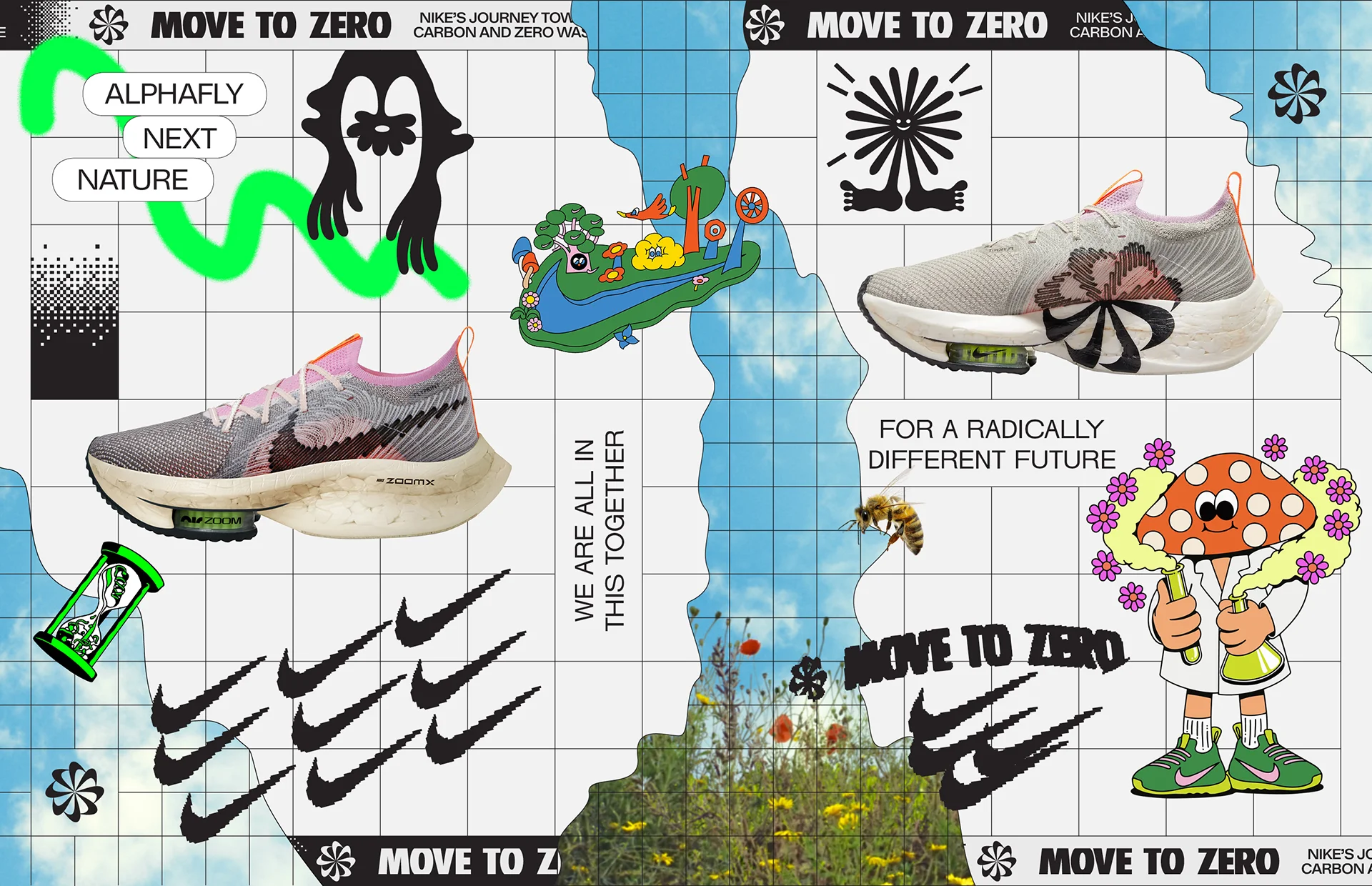
Consumers today expect brands to play an active role in environmental stewardship. Sustainable branding is no longer just a value add—it’s a competitive differentiator. Brands that authentically integrate sustainability into their practices and messaging can build deeper emotional connections with customers.
How to Adapt:
- Augmented and Virtual Experiences: Integrate AR/VR technology into your digital campaigns. For example, IKEA’s Place app lets customers visualize furniture in their homes, creating a memorable and functional experience.
- Highlight Green Initiatives: Use your website or marketing assets to share stories about conservation efforts, ethical sourcing, or waste reduction practices within your business.
- Collaborate with Sustainable Partners: Partner with green suppliers and highlight these partnerships to underscore your commitment to sustainability.
The Rise of Experiential Branding
Digital transformations are enabling brands to create immersive experiences that blur the lines between the physical and virtual worlds. Experiences that involve customers emotionally and inspire them to interact directly with the brand are becoming increasingly effective in building loyalty.
How to Adapt:
- Augmented and Virtual Experiences: Integrate AR/VR technology into your digital campaigns. For example, IKEA’s Place app lets customers visualize furniture in their homes, creating a memorable and functional experience.
- Interactive Websites: Create digital touch points that encourage exploration—for example, dynamic product showcases or AI-assisted chat experiences.
- Pop-Up Installations: Blending the digital with physical activations, like Adidas’ experiential pop-up stores, offers customers hands-on interaction with the brand.

Authenticity in a Hyperconnected World
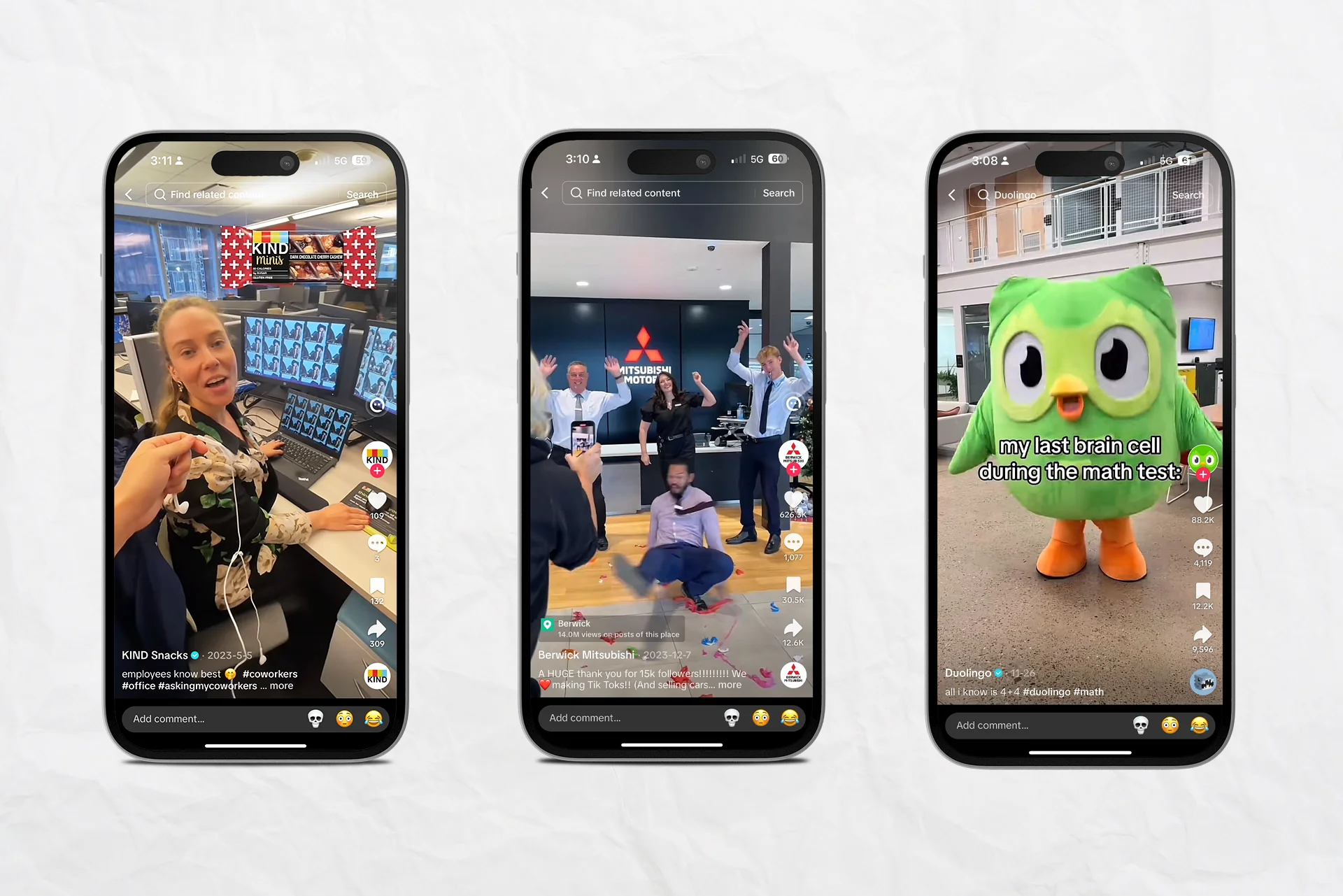
Consumers are tired of overly polished and insincere marketing. Authenticity has become a crucial aspect of modern branding. Audiences prefer brands that are forthcoming about their values, mistakes, and progress toward improvement.
How to Adapt:
- Be Transparent: Share behind-the-scenes content about your design process, team culture, or even product challenges. Honest communication can deepen trust.
- Engage Through Human-Centric Content: Use social platforms to showcase the people behind your brand. Employee spotlights or customer success stories create genuine connections.
- Commit to Purpose: Patagonia’s unwavering environmental advocacy is a prime example of how integrating purpose into business practices can foster brand loyalty.
The Evolution of Minimalism in Branding
Minimalist design continues to dominate branding, but it’s evolving. While simplicity remains key, the next wave of minimalism emphasizes meaningful storytelling embedded within clean visuals. The aim is to strip away unnecessary elements without losing depth or emotion.
How to Adapt:
- Focus on Functionality: Design fewer, but more meaningful, brand assets that prioritise usability and storytelling. For instance, Monzo’s bright yet simple card design enhanced brand consistency while offering customers an aesthetic they recognised instantly.
- Refine the Narrative: While visual clutter is out, substance is definitely in. Use succinct, high-impact messaging to deliver a clear brand voice that resonates.
- Experiment with Micro-Interactions: Subtle animations, hover effects, or scroll-based interactions on web platforms captivate users and align with minimalist trends.

Building Community Through Social and Digital Platforms
Consumers value community-driven experiences, whether through brand-hosted events, social media groups, or interactive challenges. Brands seen as facilitating meaningful connections stand to earn long-term loyalty.
How to Adapt:
- Invest in Niche Communities: Foster deeper connections with specific audience segments through curated social groups or topic-driven campaigns.
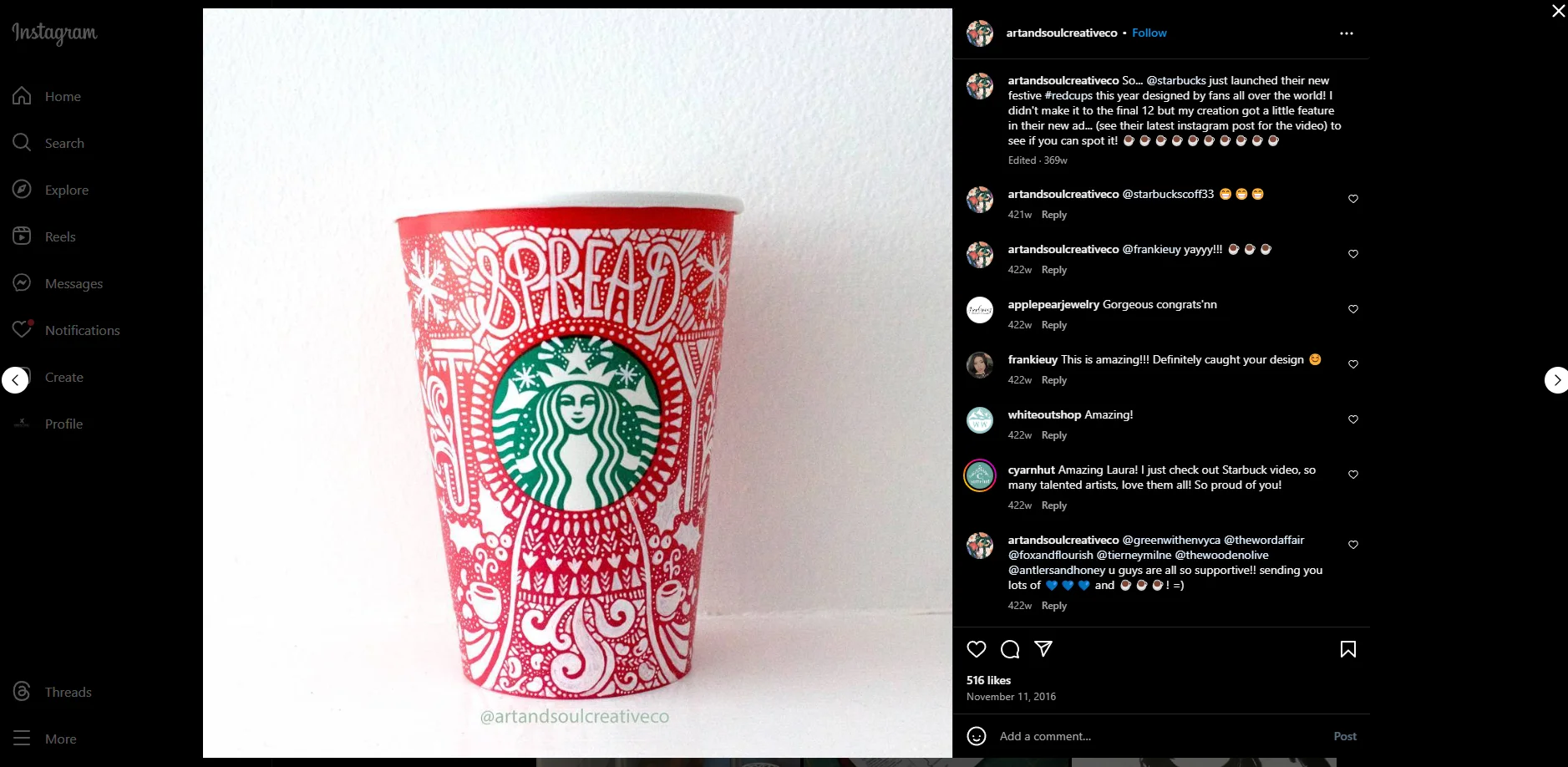
- Encourage Engagement: Create user-generated content campaigns such as challenges or hashtags, which foster a sense of belonging. Starbucks #RedCupContest is one such successful example.
- Showcase Community Impact: Use your platforms to highlight how your products or services have positively impacted customer lives.
Remaining relevant in the next decade requires a blend of innovation, adaptability, and foresight. Inclusivity, AI integration, eco-consciousness, immersive experiences, authenticity, minimalism, and community building aren’t just trends—they’re the cornerstones of modern branding success.
Future-proofing your brand means looking beyond the immediate and positioning your business as a leader in these areas. By incorporating these trends into your strategy, you’ll not only keep pace with the evolving market but have the clarity and confidence to set your brand apart.
At Novu Creative, we specialise in creating adaptive, impactful branding solutions tailored to your business’s unique needs.

Start Future-Proofing Your Brand Today
Get in touch to transform your brand into one that captivates today and inspires tomorrow.