

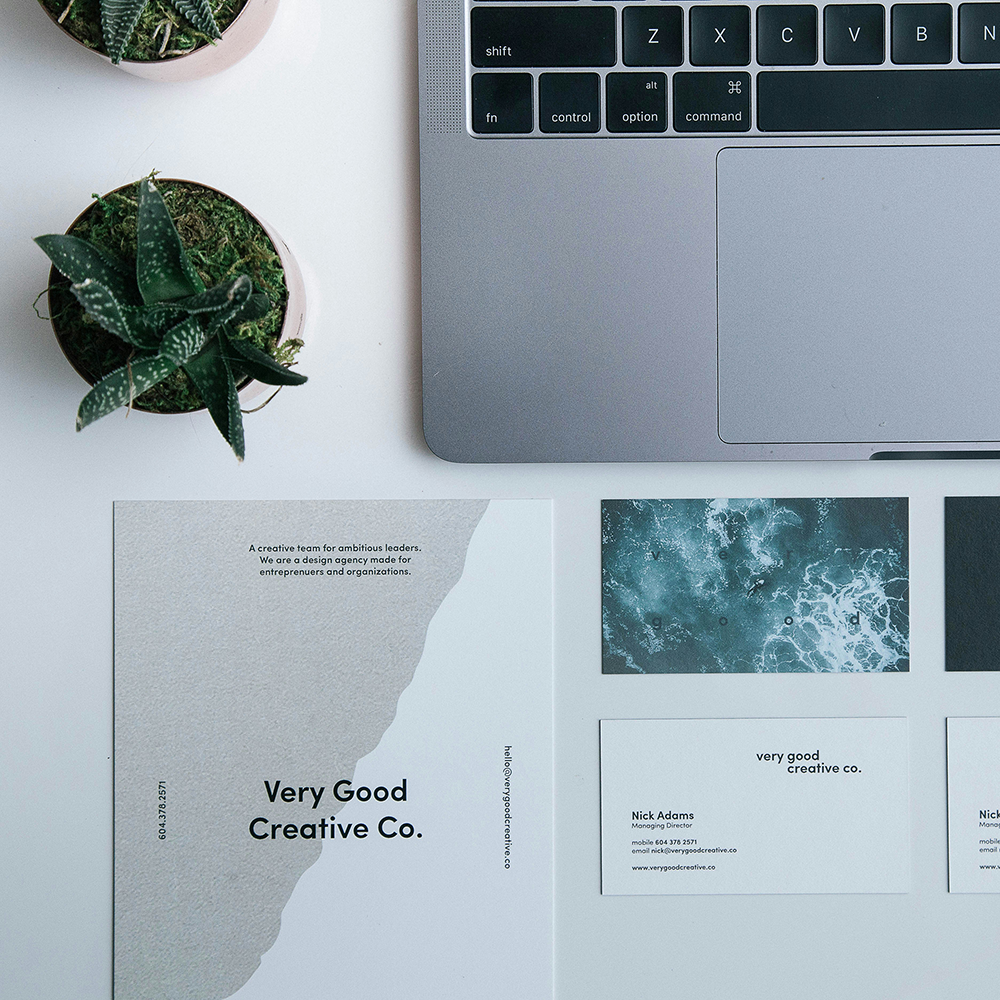
What is White Space?
White space is the empty space around and between the elements of a design. It’s not necessarily white; it can be any background colour. White space is crucial because it helps to balance the elements on the page and creates a natural flow for the viewer’s eye.
The Importance of White Space in Design
Improves Readability
White space around text and images makes your content easier to read and digest. It reduces clutter and allows the eye to focus on the key elements without feeling overwhelmed.
Enhances Visual Hierarchy
By strategically using white space, you can guide the viewer’s attention to the most important parts of your design. This helps in creating a clear visual hierarchy and ensures that your message is effectively communicated.
Creates a Sense of Elegance and Sophistication
Designs that incorporate ample white space often appear more refined and professional. It conveys a sense of luxury and can elevate the perceived value of your brand.
Boosts Comprehension and Retention
Studies have shown that white space around text improves comprehension and retention. It gives the brain time to process information and makes the content more memorable.
Tips for Using White Space Effectively

Prioritise Content
Identify the most critical elements of your design and give them room to breathe. Use white space to separate different sections and highlight key points.
Use Margins and Padding
Ensure that there is adequate space around text blocks, images, and other design elements. Margins and padding can help in creating a clean and organised layout.
Embrace Simplicity
Less is often more. Avoid overcrowding your design with too many elements. A minimalist approach can be more impactful and allows white space to play its role effectively.
Create Balance
Balance is key in design. Use white space to distribute elements evenly across the page, ensuring that no area feels too heavy or too empty.
Guide the Viewer’s Eye
Use white space to direct the viewer’s eye towards important elements. For example, placing white space around a call-to-action button can make it stand out and increase click-through rates.
Break Up Large Text Blocks
Large blocks of text can be daunting. Break them up with white space, subheadings, bullet points, and images to make the content more approachable and engaging.
Tips for Using White Space Effectively

Overcrowding
Avoid cramming too many elements into a small space. This creates visual clutter and makes it hard for viewers to focus on what’s important.
Inconsistent Spacing
Maintain consistent spacing throughout your design. Inconsistencies can make your design look unprofessional and disorganised.
Ignoring Mobile Design
Ensure that your use of white space translates well to mobile devices. Mobile screens require careful consideration of spacing to maintain readability and usability.
Case Studies: Successful Use of White Space

Apple
Apple’s website is a prime example of effective white space usage. Their clean, minimalist design highlights their products beautifully and enhances the user experience.
Google’s homepage is another great example. The extensive use of white space focuses attention on the search bar, making it clear and easy to use.
Bringing It All Together with Novu Creative

At Novu Creative, we understand the power of white space and how it can elevate your design projects. Our friendly, dedicated, and creative team is here to help you incorporate white space effectively, ensuring your designs are not only aesthetically pleasing but also highly functional.
We care about your success and are here to hold your hand through every step of the design process. With our expertise, we’ll ensure your designs are balanced, elegant, and impactful.
Ready to transform your designs with the
power of white space?
Contact Novu Creative today and let’s create something beautiful together.